
Notes from the team
Insights
Short, direct writing on how we build, where AI actually fits, and what we've learned shipping real estate and marketing platforms.
Browse by theme
All articles
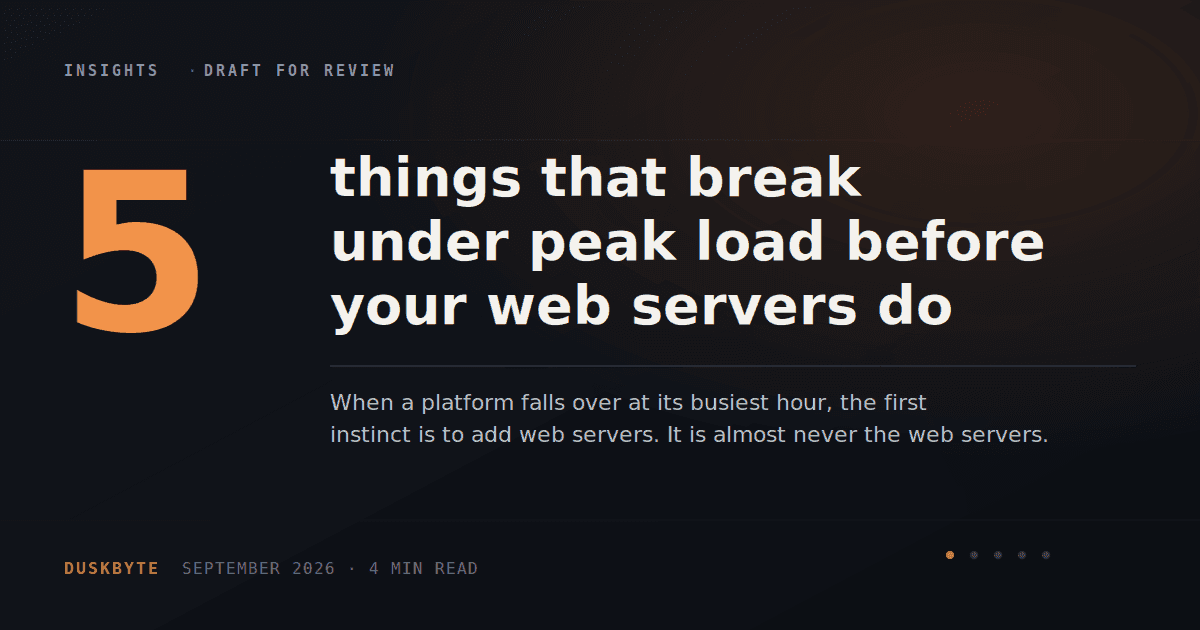
5 things that break under peak load before your web servers do
When a platform falls over at its busiest hour, the first instinct is to add web servers. It is almost never the web servers.
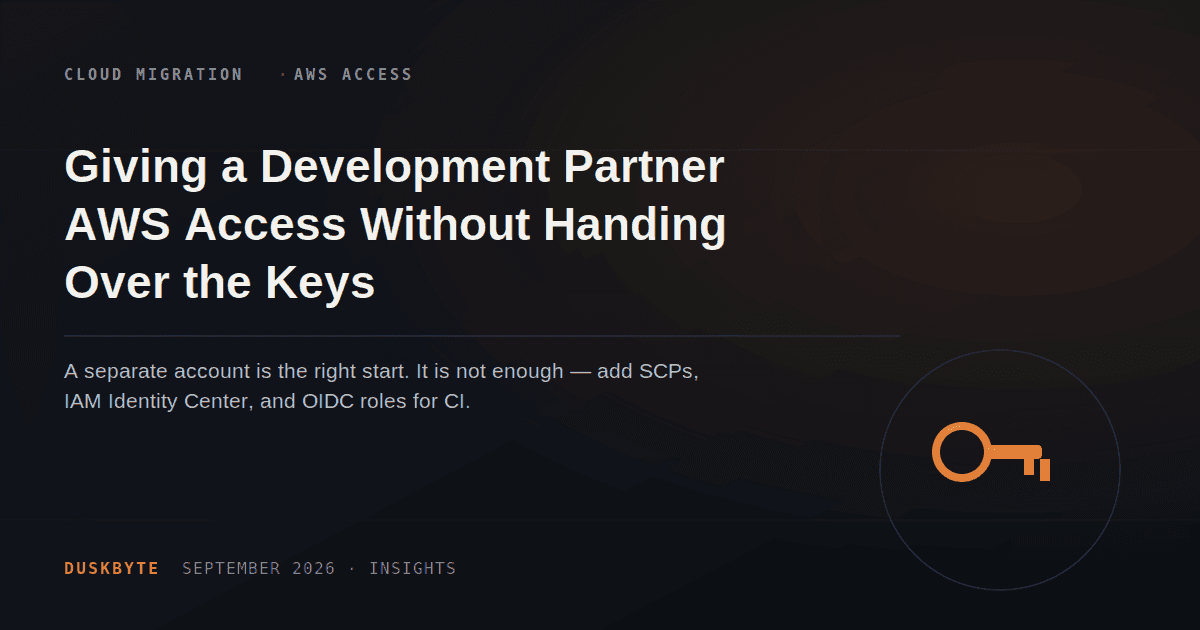
Giving a Development Partner AWS Access Without Handing Over the Keys
Dev Partner AWS Access: Accounts, SCPs, No Root
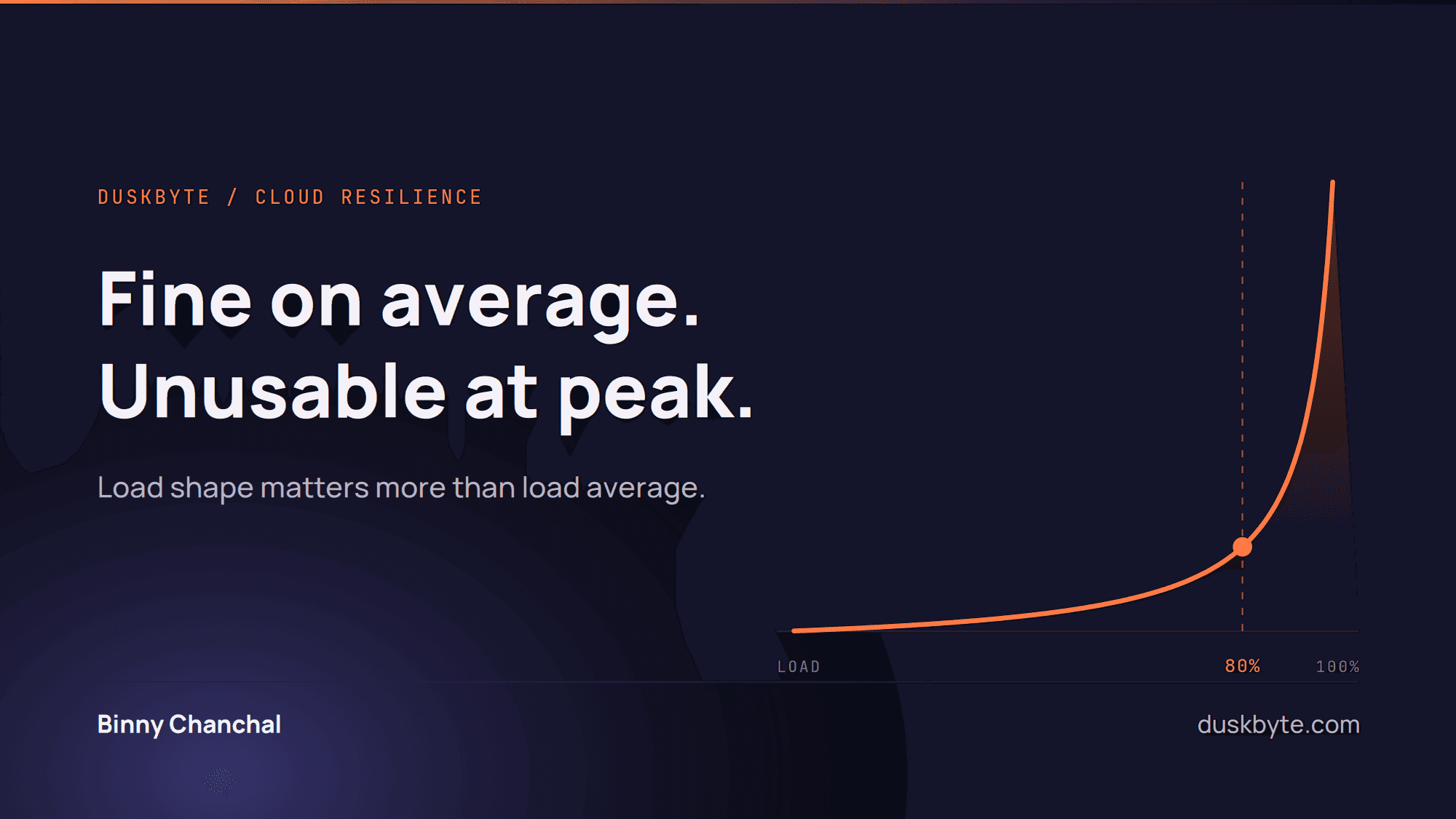
Why Platforms Fail at Peak but Not on Average
A platform serving a steady trickle and a platform serving eleven quiet months followed by three days of everything can have the same monthly average and completely different failure behaviour. What actually breaks at peak, why autoscaling sometimes causes the outage, and how to test for the shape of the load rather than the volume.
Upgrading PHP When There Is No Test Suite
Security support has ended, the operating system will not carry you, and someone external is asking questions. Here is why the upgrade lands on your desk, and how to find what it broke when the codebase has no tests: run the old and new runtimes in parallel and compare what they produce.
Our developer has left and nobody knows how the system works. What do we do first?
Before anything else, confirm you can rebuild the system from what you hold. Code, database, and server configuration, all three.
Chrome Removes Every Manifest V2 Extension on 31 August 2026
Manifest V2 Chrome extensions have not run in a user's browser since 24 July 2025, when Chrome 138 disabled them permanently and removed the last enterprise exemption. What happens on 31 August 2026 is that the Chrome Web Store listings are deleted, taking the URL, the reviews, the install count and enterprise deployment by item ID with them. This piece sets out the verified timeline, a ten minute check to establish whether you are affected, and the four execution model changes that make Manifest V3 a rewrite rather than a version bump.
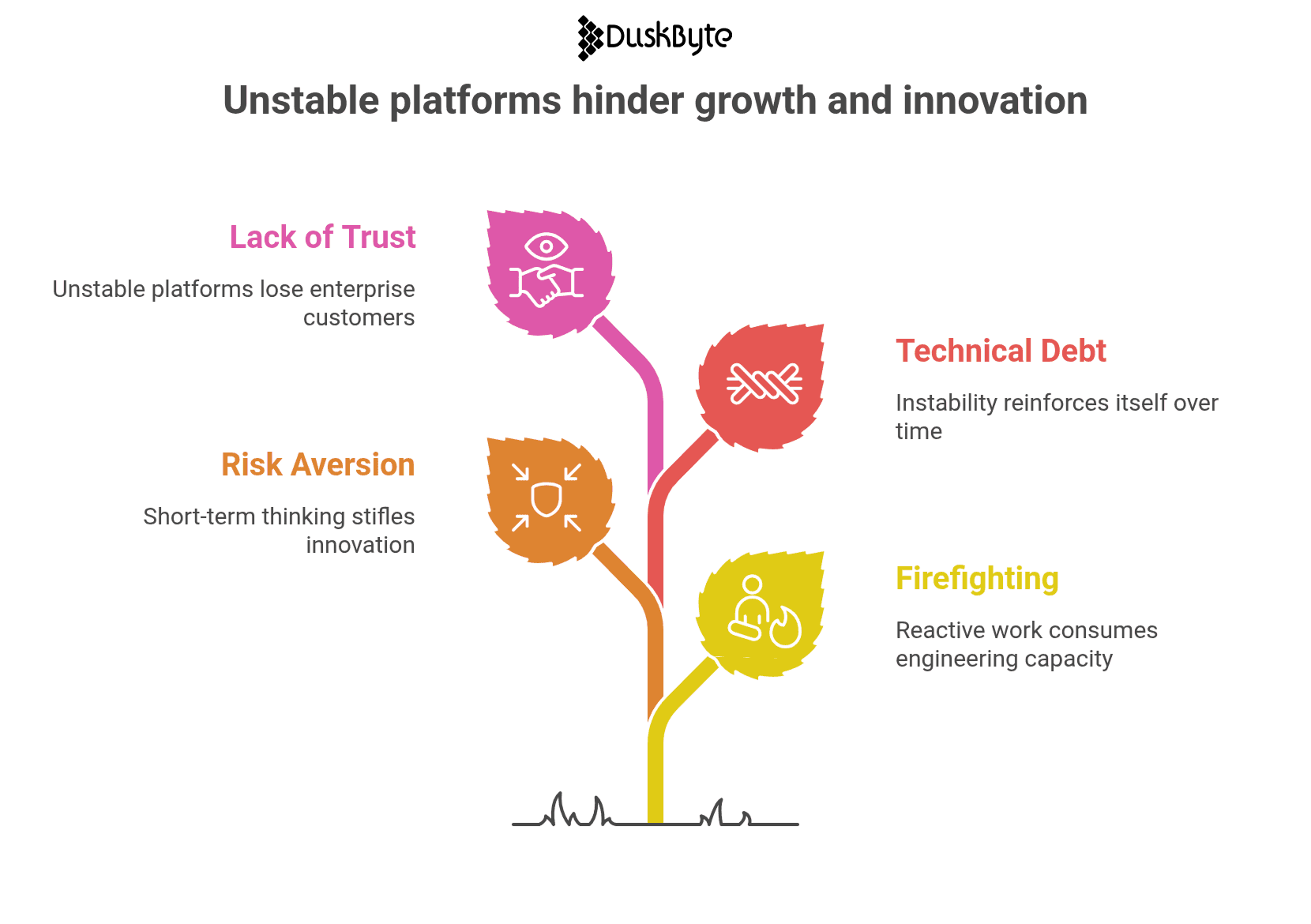
Why Stability Is a Competitive Advantage
Stability is often treated as a defensive concern, but in enterprise platforms it is a growth enabler. Stable systems reduce firefighting, improve deployment confidence, and give teams the room to move faster with less operational drag.
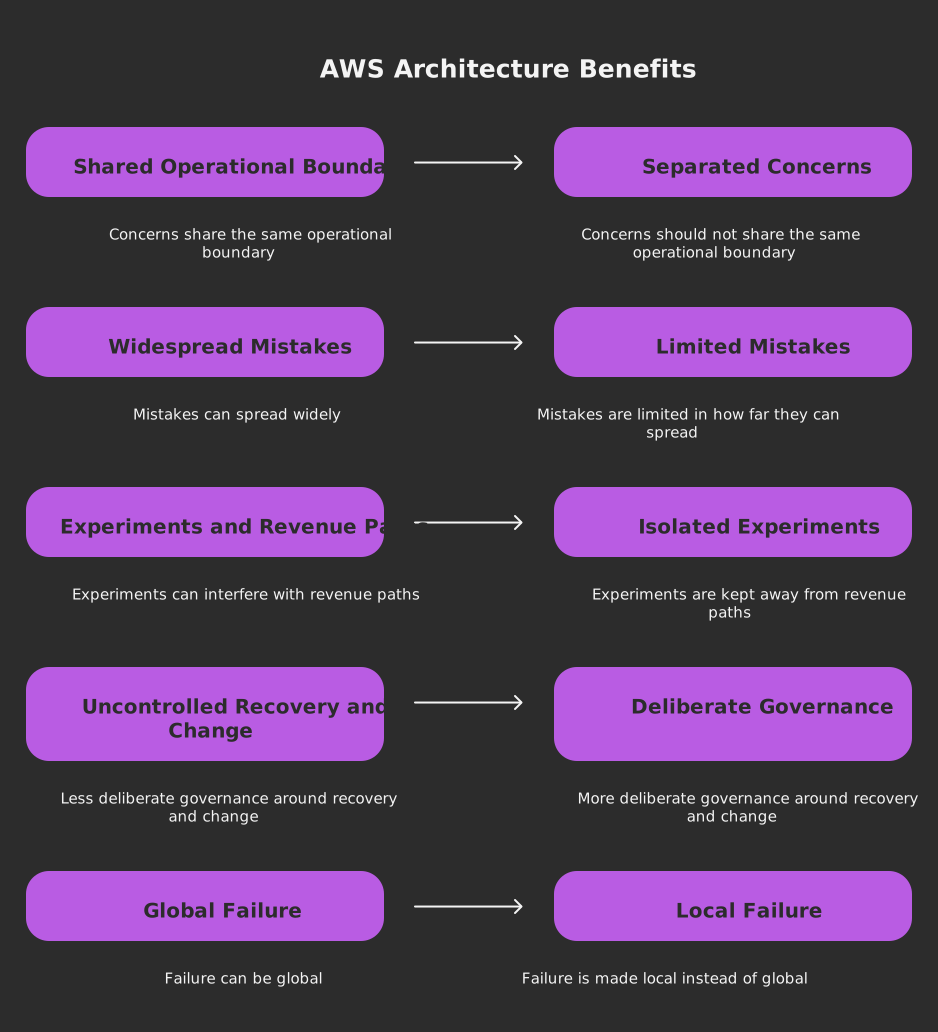
Why Multi-Account AWS Architecture Is About Containment, Not Scale
Multi-account AWS architecture is often framed as a scaling best practice. In enterprise SaaS systems, its deeper value is containment: reducing blast radius, separating regulatory concerns, isolating experiments, and making rollback safer.
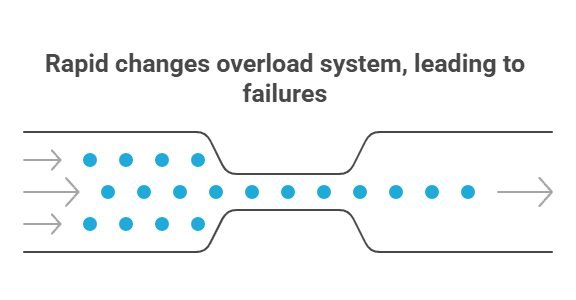
Why “Move Fast” Breaks Enterprise Platforms
Enterprise platforms rarely break because teams are too slow. They break because change moves faster than the platform can safely absorb. The problem is not speed itself. The problem is unmanaged speed inside systems with real dependencies, real users, and real operational consequences.
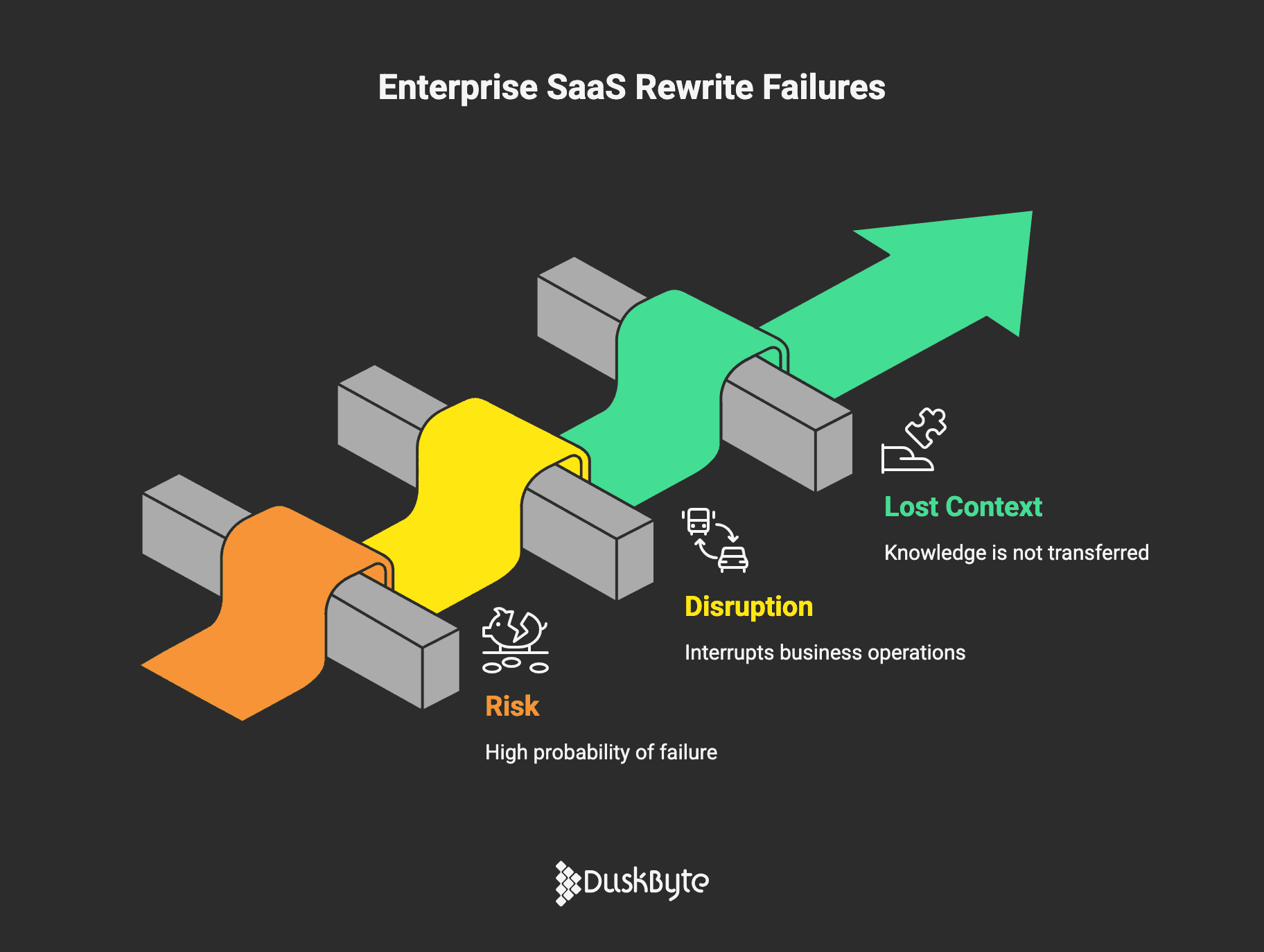
Why Most SaaS Rewrites Fail
Most SaaS rewrites fail not because teams lack capability, but because production systems contain years of embedded business logic, edge cases, and operational knowledge that are hard to fully recreate. Incremental modernization is usually the safer path.
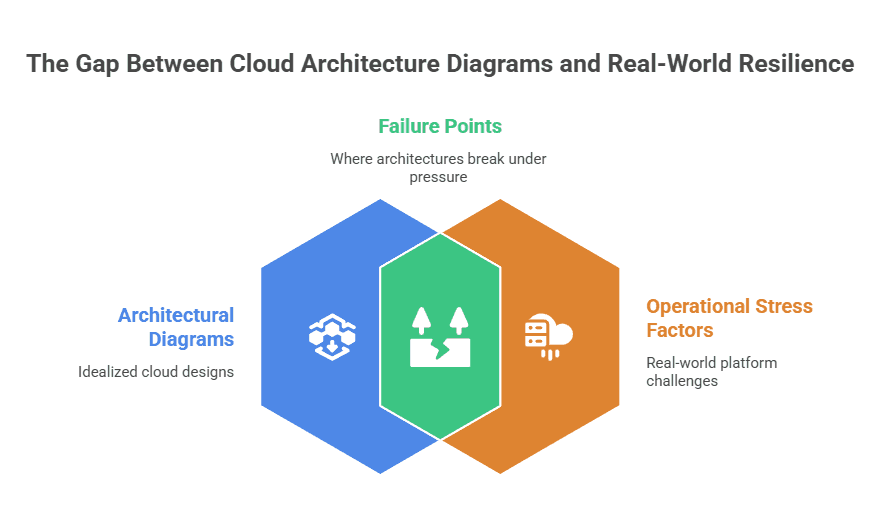
Why Most Cloud Architectures Fail Under Operational Stress
Cloud architecture rarely fails in the diagram. It fails during degraded dependencies, retry storms, release friction, ownership confusion, and recovery paths that looked acceptable until the platform had to survive real operational stress.
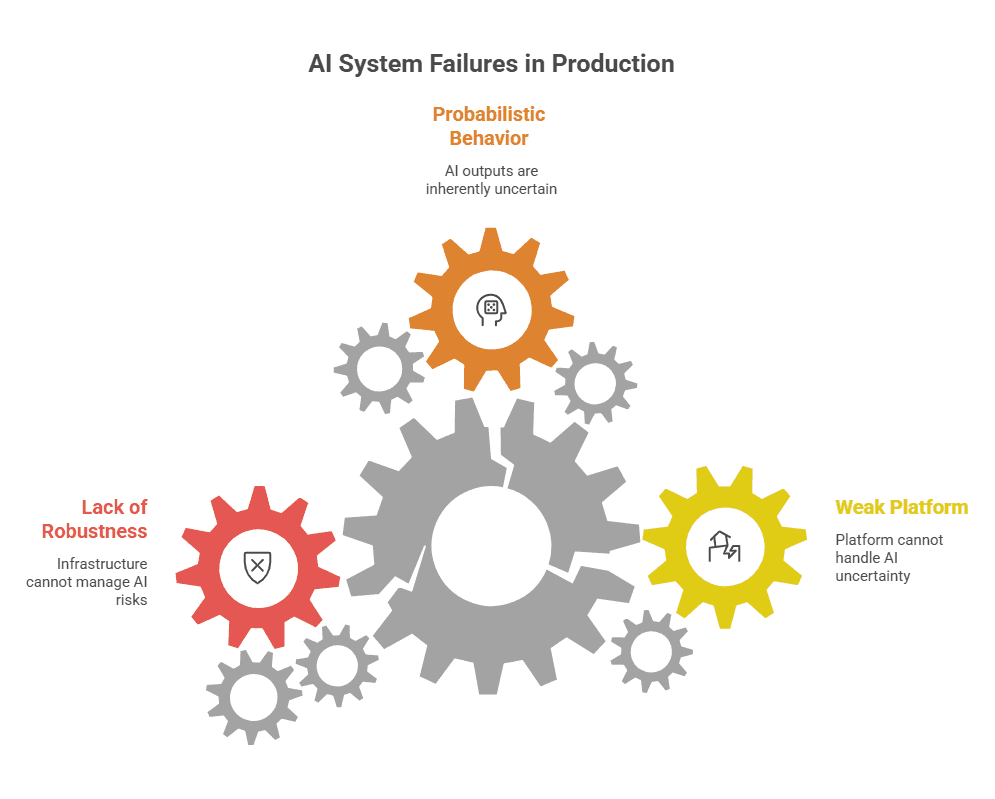
Why Most AI Systems Fail in Production Environments
Most AI systems do not fail in production because the model is weak. They fail because the surrounding platform was never designed to absorb probabilistic behavior safely.
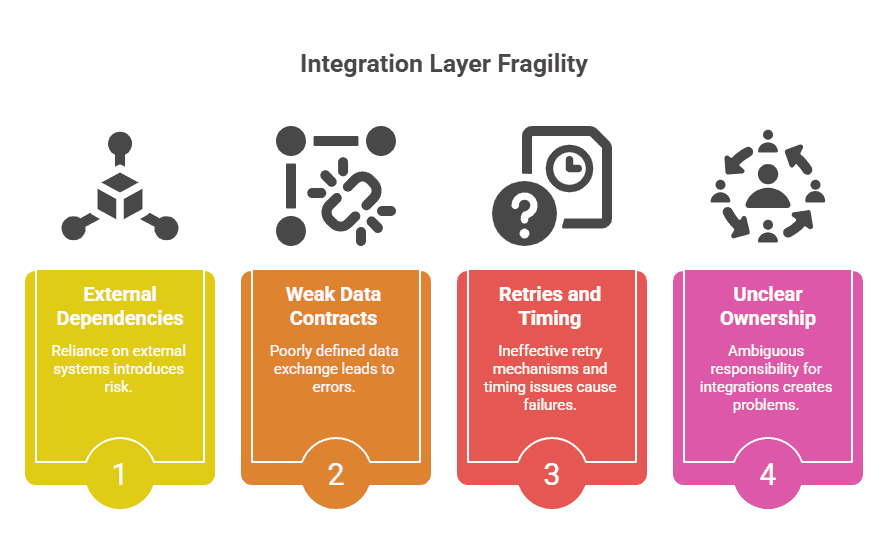
Why Integrations Break More Systems Than Core Code
Many platform failures are blamed on core code, but the real fragility often lives in the integration layer. External dependencies, weak data contracts, retries, timing issues, and unclear ownership can turn small changes into broad operational failures. This article explains why integrations create outsized risk in mature systems and what safer modernization looks like.
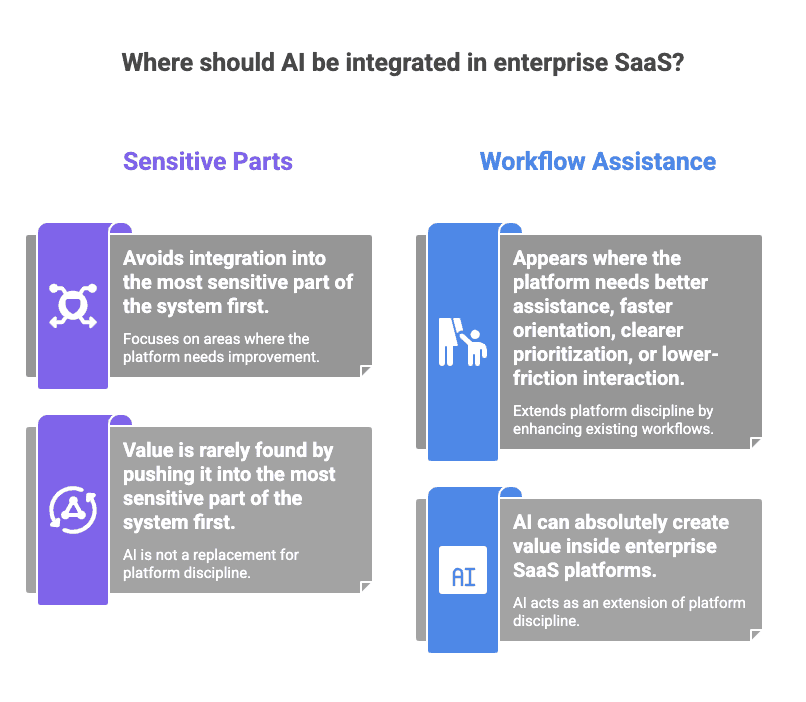
Where AI Actually Fits in Enterprise SaaS Platforms (And Where It Doesn’t)
AI can add real value inside enterprise SaaS platforms, but only when it is placed in the right layer of the system. The question is not where AI can be added, but where it can exist safely, usefully, and with enough control to support the platform rather than undermine it.
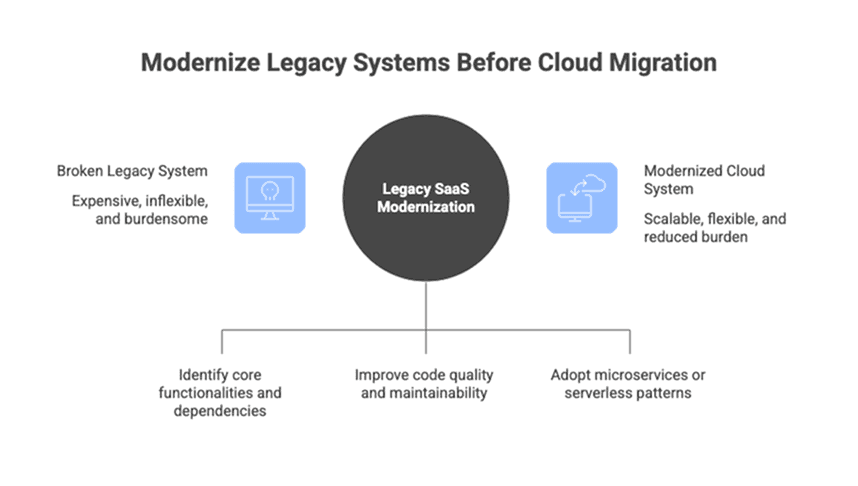
When Cloud Migration Is the Wrong First Step
Cloud migration is often treated as modernization by default, but moving a fragile system to AWS does not fix manual deployments, weak observability, or tightly coupled architecture. In many cases, it simply moves existing problems into a more complex environment.
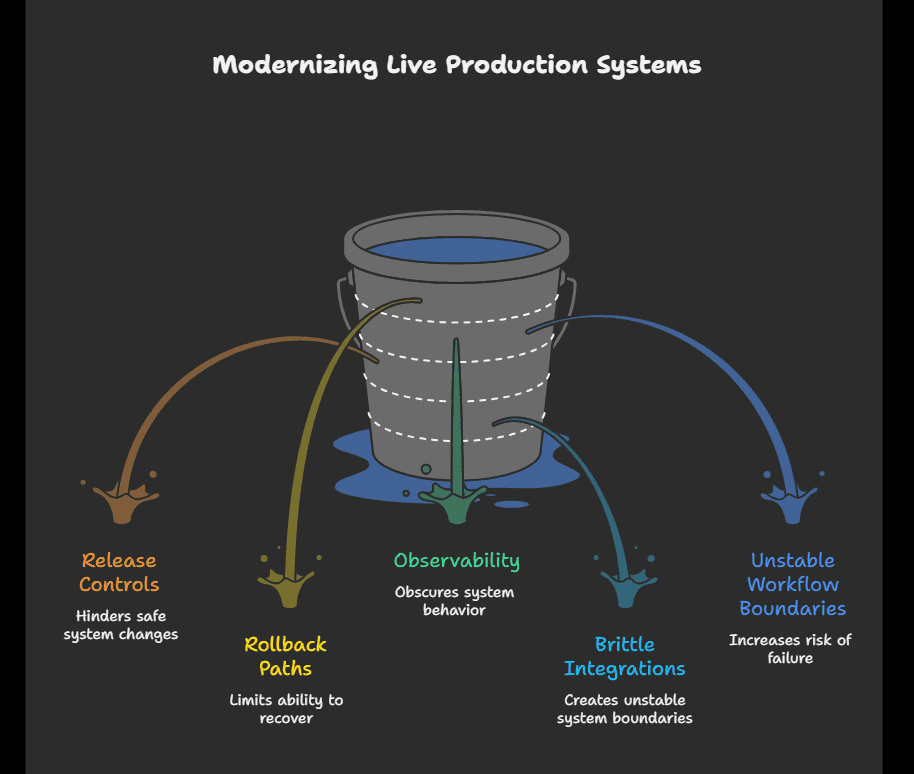
What Should You Modernize First in a Live Production System?
In a live production system, the first modernization target is rarely the oldest code. It is usually the part of the platform that improves your ability to change the system safely: release controls, rollback paths, observability, brittle integrations, and unstable workflow boundaries. The real question is not what looks most outdated. It is what reduces risk while making the next round of change easier to survive.
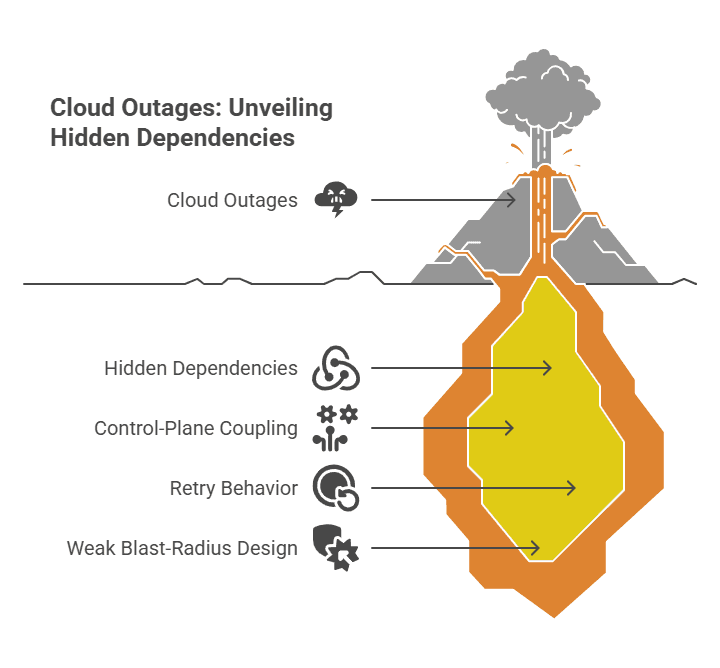
What Real Cloud Incidents Reveal About System Design
Cloud outages are often discussed as vendor reliability problems. In practice, the most useful lesson is usually closer to home. Real incidents reveal how hidden dependencies, control-plane coupling, retry behavior, and weak blast-radius design can turn a localized problem into a platform-wide event.
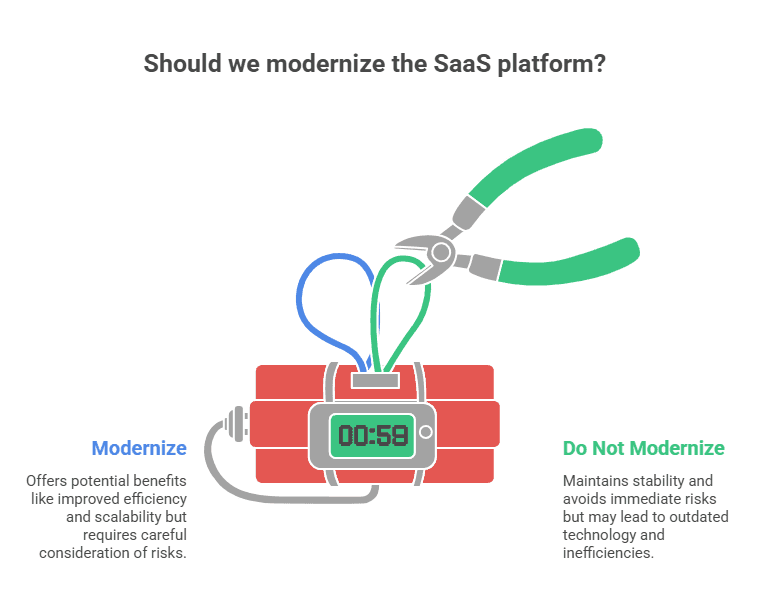
What Platform Leaders in Regulated SaaS Should Evaluate Before Modernization
Regulated SaaS modernization is not just a technology decision. Platform leaders need to evaluate control, auditability, data responsibility, release discipline, integration risk, and operational continuity before making major platform changes.
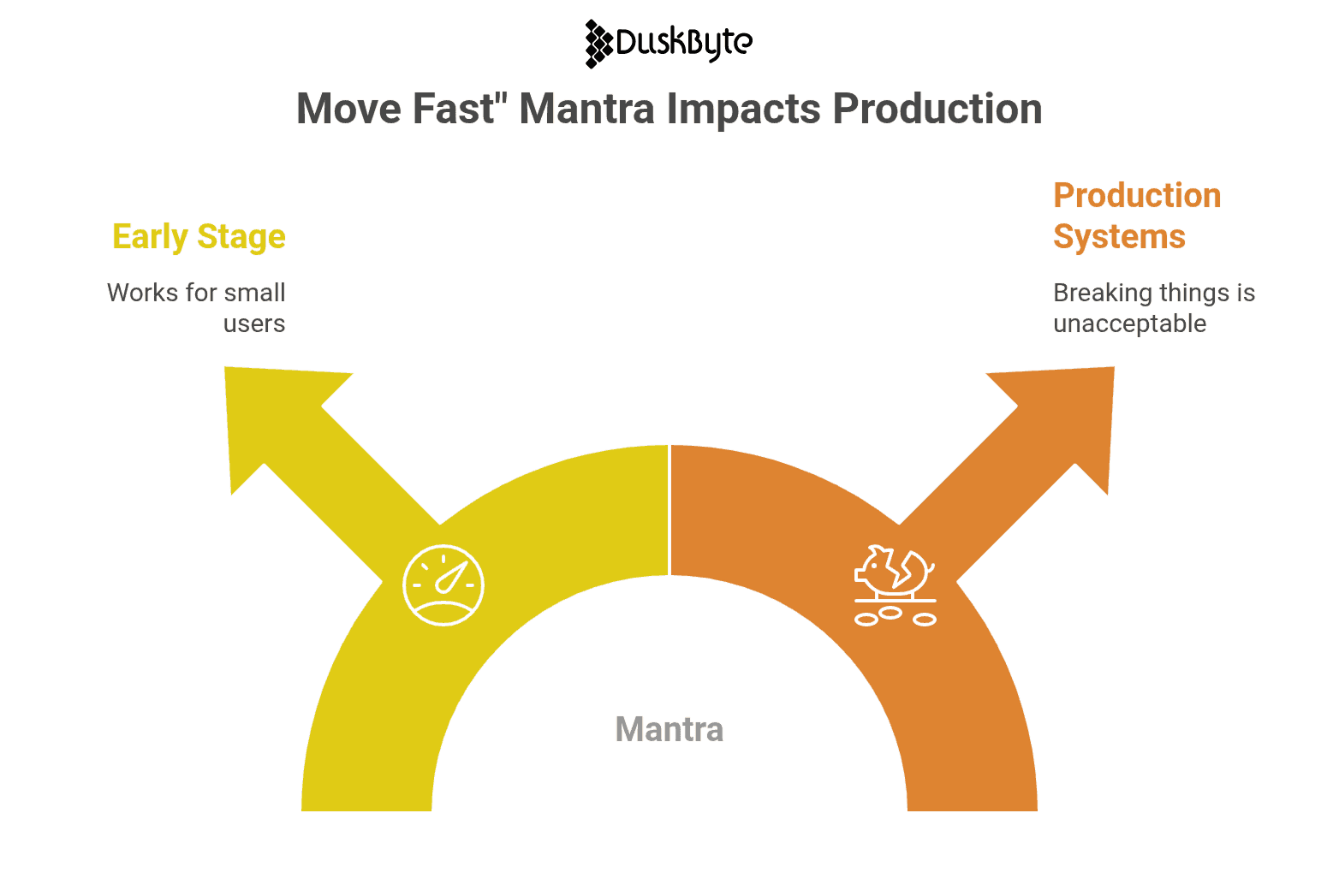
The Hidden Cost of Moving Fast in Production Systems
Moving fast in production systems creates hidden costs that compound over time: riskier releases, harder rollbacks, more firefighting, and less trust across the organization. Sustainable speed comes from operational discipline, not shortcuts.
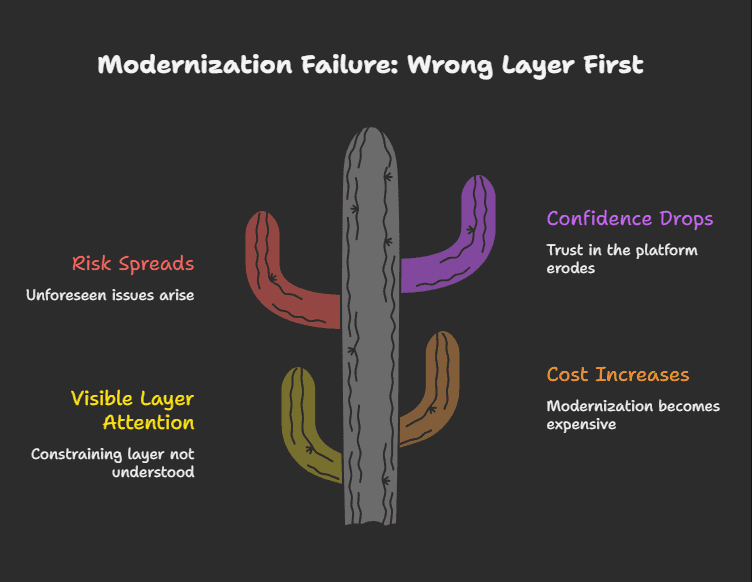
The Cost of Modernizing the Wrong Layer of Your Platform
Modernization rarely fails because teams change too little. It usually fails because they change the wrong layer first. When the visible layer gets attention before the constraining layer gets understood, cost rises, risk spreads, and platform confidence drops.
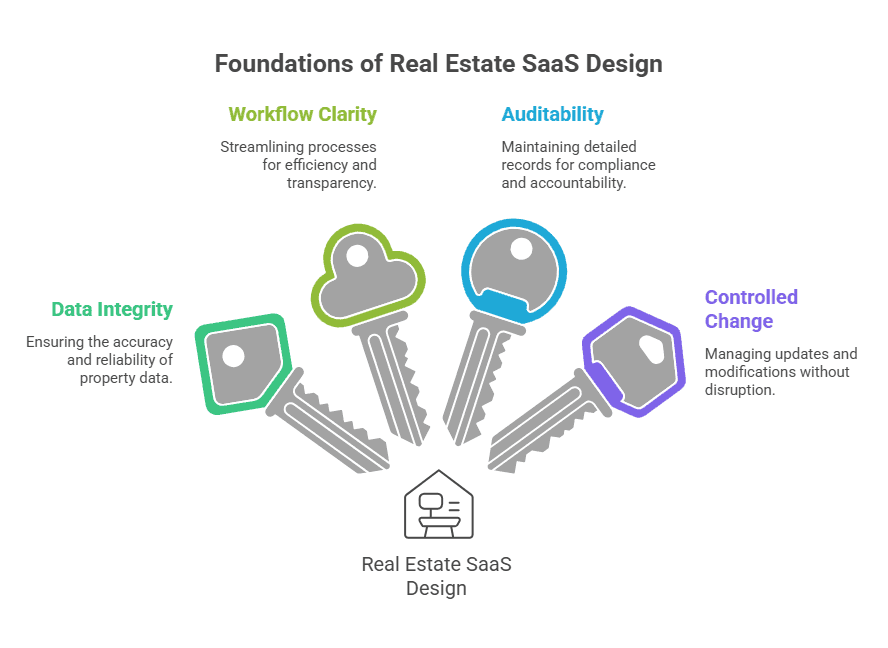
SaaS Platform Considerations for Real Estate and Appraisal Workflows
Real estate and appraisal workflows are not simple SaaS use cases. They involve messy property data, valuation logic, document-heavy processes, operational exceptions, and trust-sensitive decisions. SaaS platforms in this space need to be designed and modernized around data integrity, workflow clarity, auditability, and controlled change.
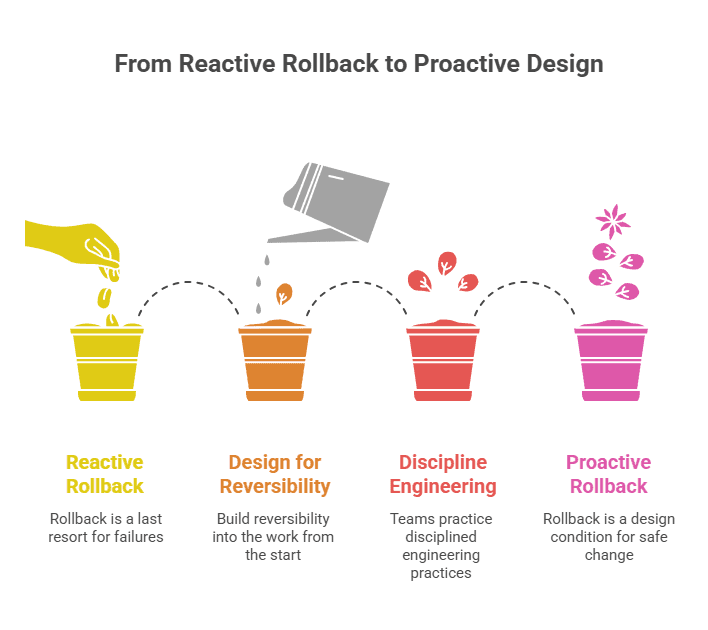
Rollback Is a Strategy, Not a Safety Net
In mature platforms, rollback is not a sign of failure. It is a sign of disciplined engineering. The teams that modernize safely design reversibility into the work before release pressure makes it necessary.
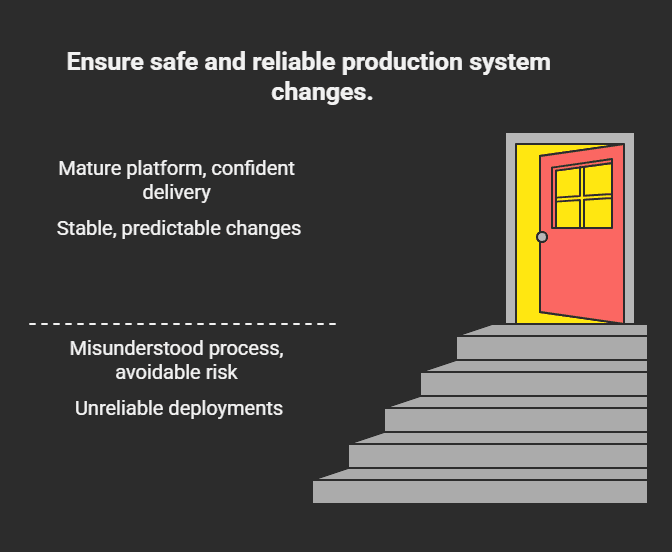
Release Discipline in Production Systems: What Actually Matters
In mature production systems, release discipline is often misunderstood as process overhead or deployment ceremony. In practice, it is one of the clearest indicators of platform maturity. Strong release discipline reduces avoidable risk, improves delivery confidence, and helps teams change live systems without turning every release into an operational event.
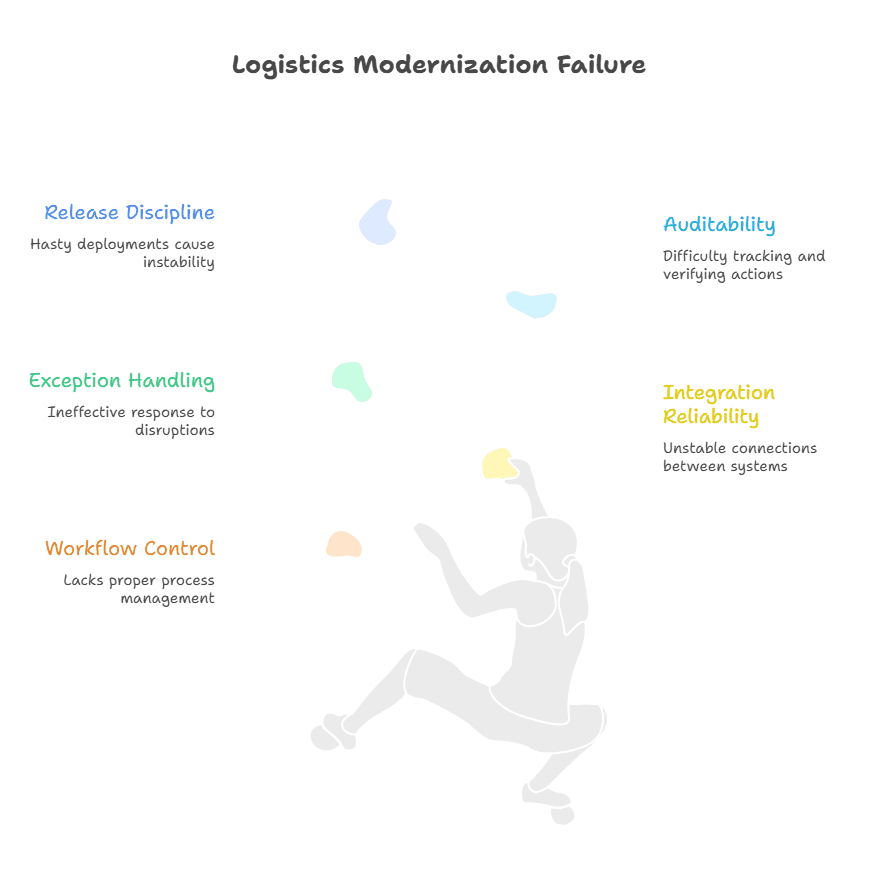
Operational Platforms in Logistics: Where Modernization Actually Matters
In logistics, modernization usually fails when teams focus on surface-level upgrades before fixing the operational layer underneath. The real leverage sits in workflow control, integration reliability, exception handling, auditability, and release discipline.
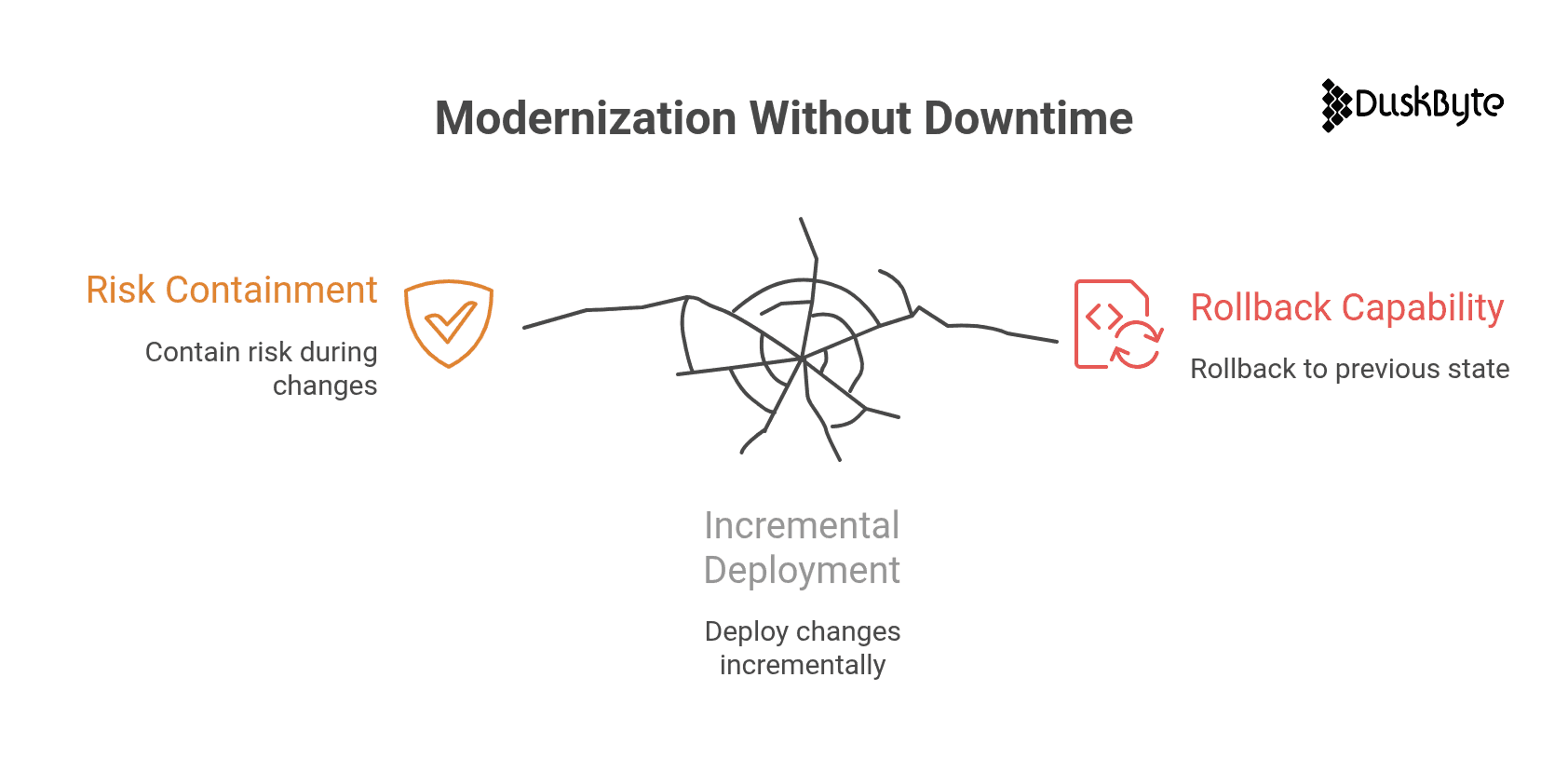
Modernizing Without Downtime: What Actually Works
Zero-downtime modernization works when teams avoid big-bang cutovers and instead use proven patterns such as strangler migrations, feature flags, backward-compatible database changes, and strong observability.
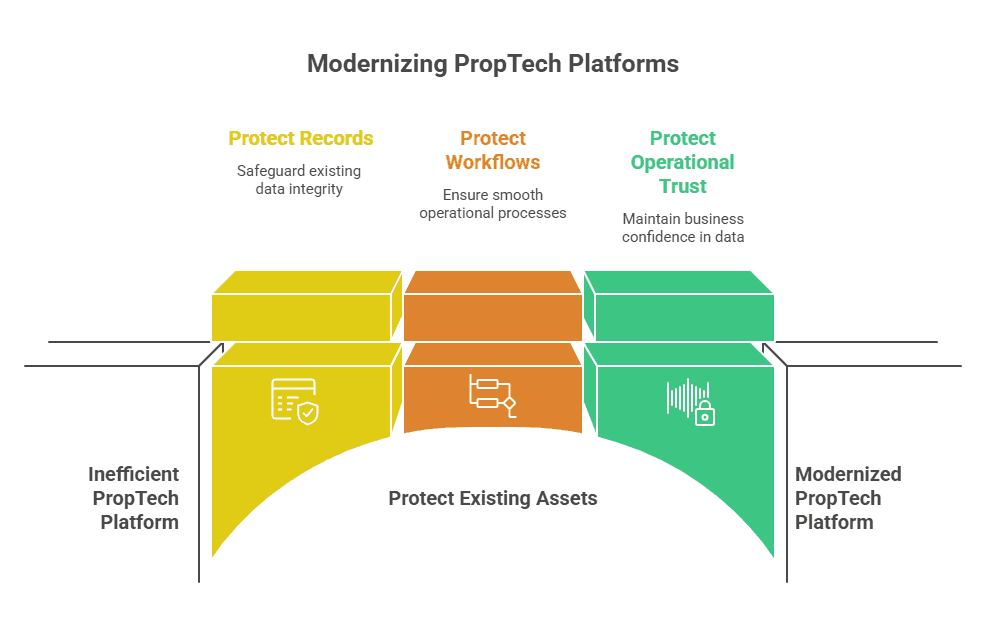
Modernizing Real Estate & PropTech Platforms Without Disrupting Data Integrity
Modernizing a real estate or PropTech platform is rarely just a codebase problem. It is usually a data integrity problem, a workflow problem, and a sequencing problem at the same time. The teams that get this right do not start with a rewrite. They start by protecting the records, workflows, and operational trust the business already depends on.
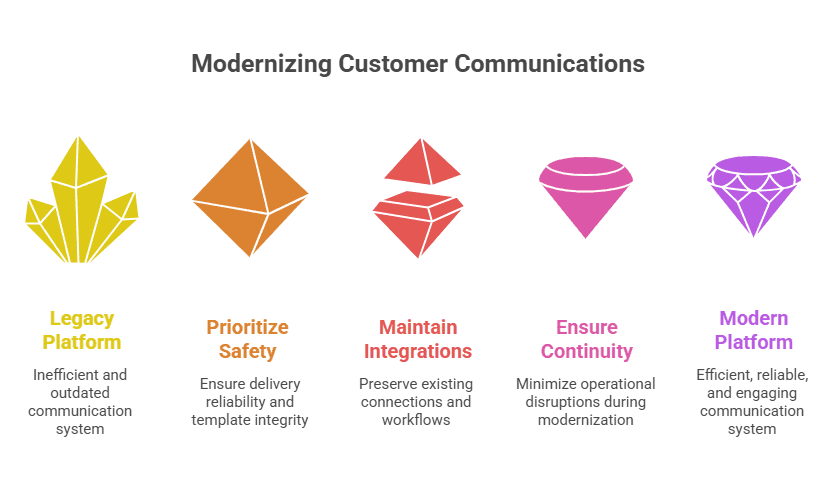
Modernizing Customer Communications Platforms Without Disrupting Delivery
A practical guide to modernizing customer communications platforms safely while preserving delivery reliability, template integrity, auditability, integrations, and operational continuity.
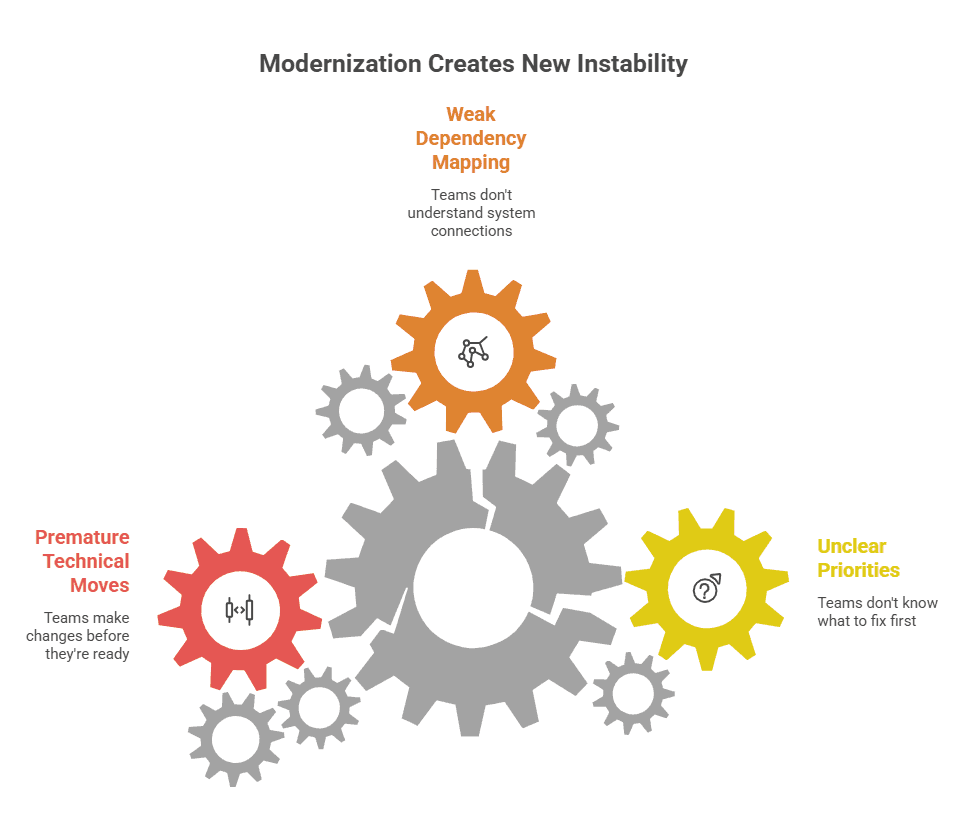
Modernization Without Clarity: How Teams Create New Risk While Fixing Old Systems
Modernization is supposed to reduce fragility. But without decision clarity, it often creates new instability while teams are still trying to remove the old kind. In live production systems, unclear priorities, weak dependency mapping, and premature technical moves can turn a sensible modernization effort into a new source of operational risk.
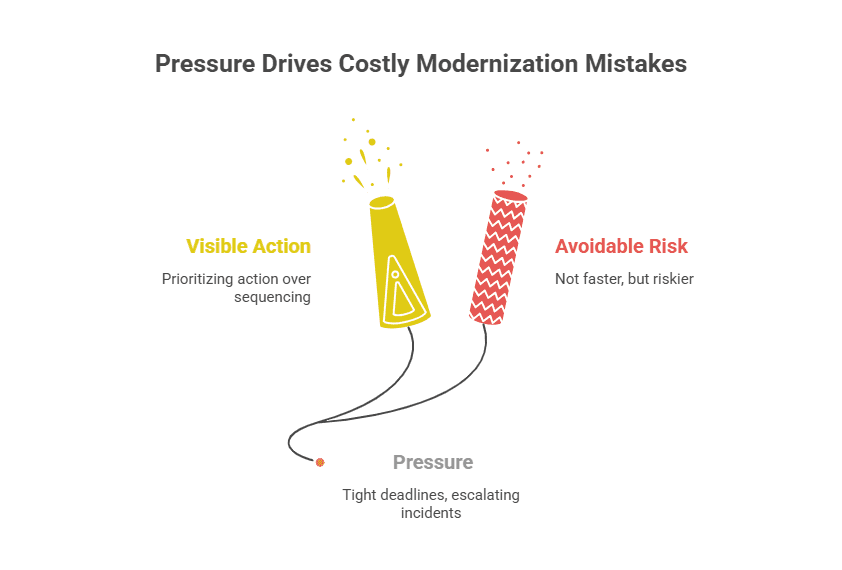
Modernization Decisions Under Pressure: Avoiding Expensive Mistakes
The most expensive modernization mistakes rarely come from bad intent. They come from pressure. When deadlines tighten, incidents escalate, or leadership demands movement, teams often choose visible action over sound sequencing. The result is not faster progress. It is avoidable risk.
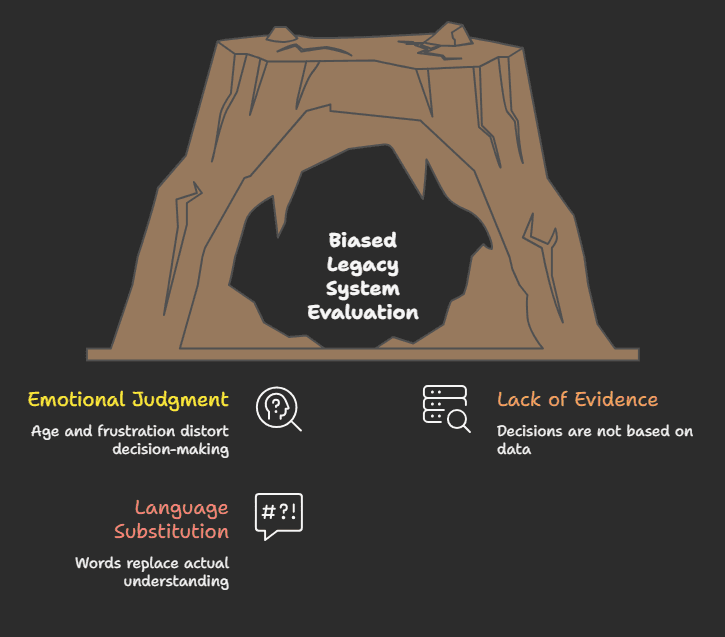
How to Evaluate Legacy Systems Without Bias or Assumption
Legacy systems are often judged too quickly and too emotionally. Some are treated as hopeless because they are old. Others are protected because they still function. Both reactions distort decision-making. A better evaluation starts with evidence: operational risk, dependency density, release behavior, data integrity, and how much of the platform the team actually understands.
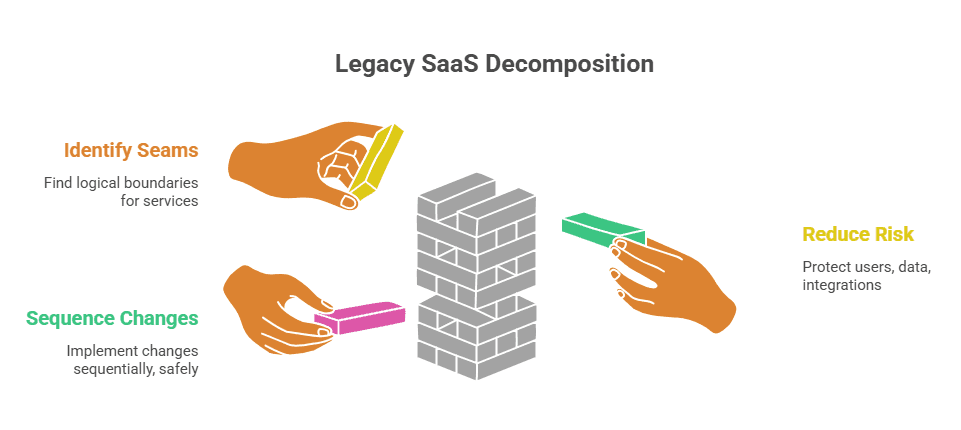
How to Decompose a Legacy SaaS Platform Without Breaking Production
Legacy SaaS decomposition is not about cutting the system into services as quickly as possible. It is about identifying the right seams, reducing production risk, and changing the platform in a sequence that protects users, data, integrations, and delivery confidence.
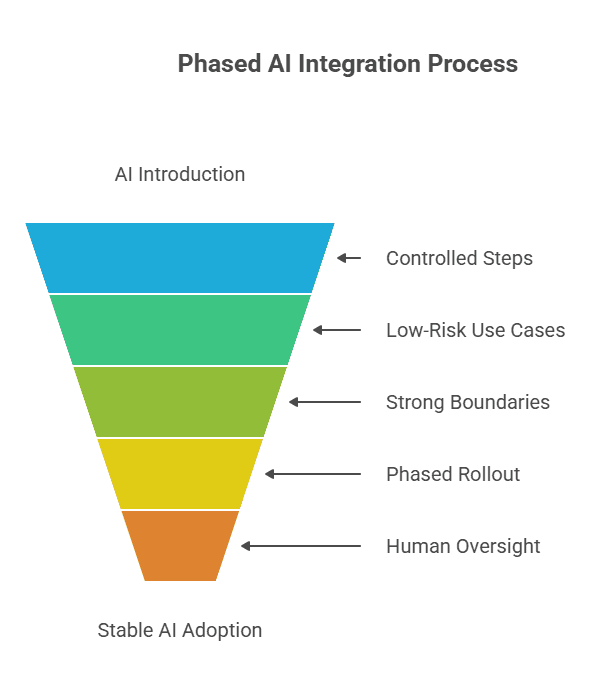
How to Add AI Features Without Destabilizing Production
AI should be introduced into production systems carefully, as it changes system behavior, adds risk, and creates new dependencies. Instead of treating AI as a simple feature, teams should focus on improving specific workflows with controlled, reversible steps. Start with low-risk, assistive use cases, keep AI outside critical paths, and ensure strong boundaries for data, permissions, and validation. Successful adoption depends on phased rollout, observability, human oversight, and maintaining trust, stability, and cost control.
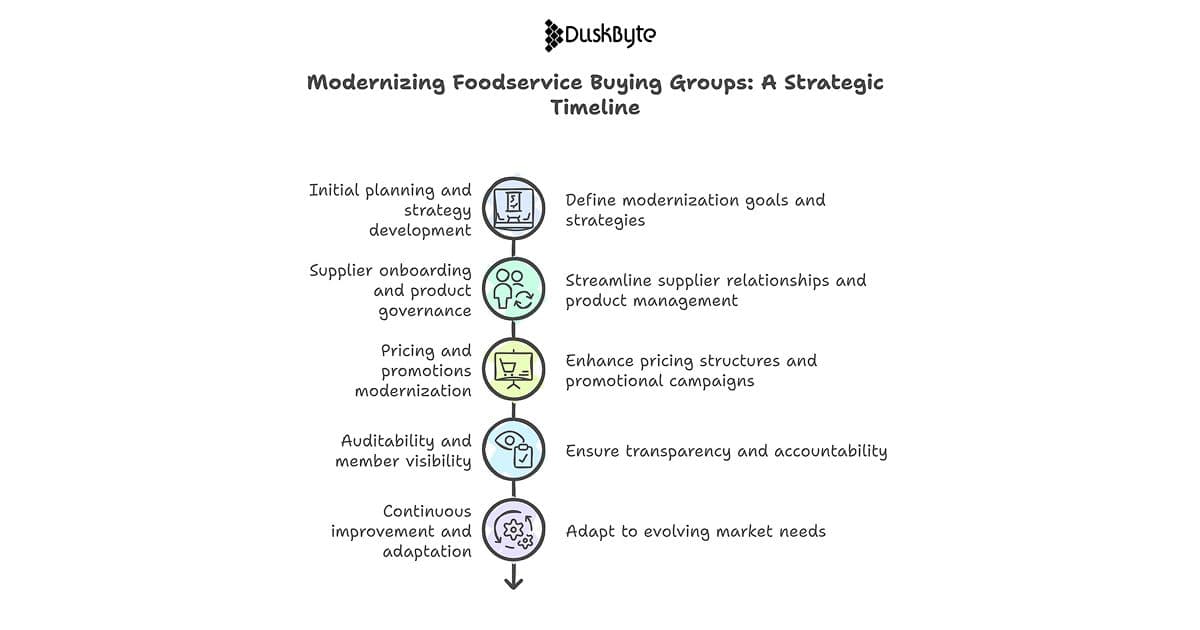
How Foodservice Buying Groups Can Modernize Price Governance Without Losing Control
A practical guide for foodservice buying groups modernizing supplier, pricing, promotions, and audit workflows without losing commercial control or operational continuity.
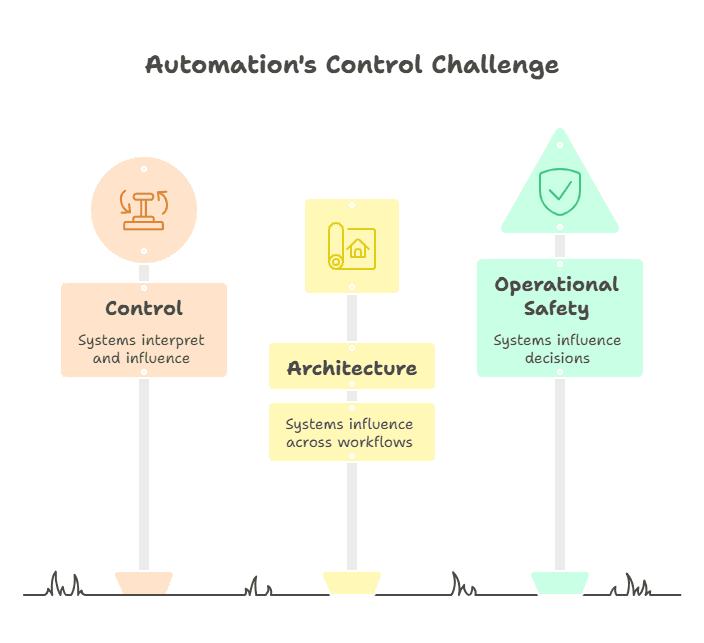
From Automation to Intelligent Systems: What Changes at Scale
Automation is often treated as a productivity layer. At scale, that framing stops being useful. Once systems begin interpreting data, recommending actions, or influencing decisions across workflows, the real challenge shifts from task efficiency to control, architecture, and operational safety.
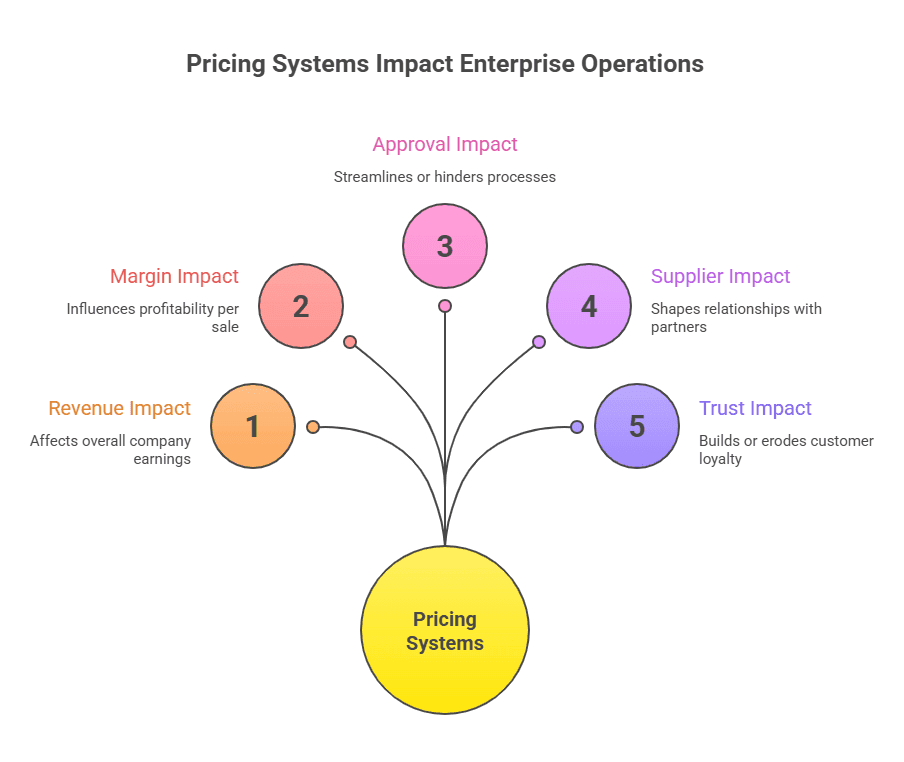
Enterprise Pricing Systems: Why They Break and How to Fix Them Safely
Enterprise pricing systems are rarely just calculation engines. They are operational control systems with downstream impact across revenue, margin, approvals, supplier relationships, and customer trust. This article explains why they become fragile over time and how to modernize them safely.
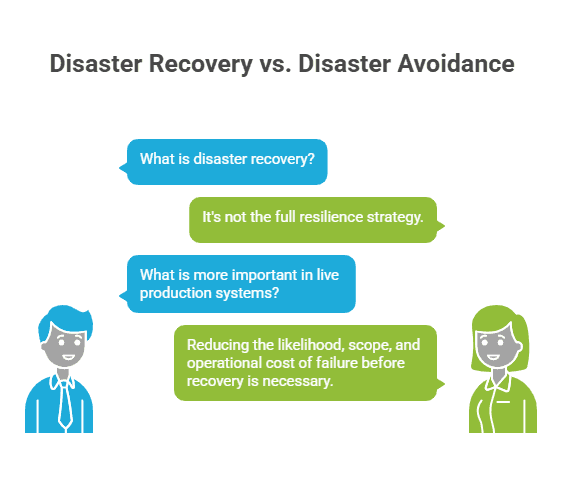
Disaster Recovery vs Disaster Avoidance: A Critical Distinction
Most teams talk about disaster recovery as though it is the full resilience strategy. It is not. In live production systems, the more important question is often how to reduce the likelihood, scope, and operational cost of failure before recovery ever becomes necessary.
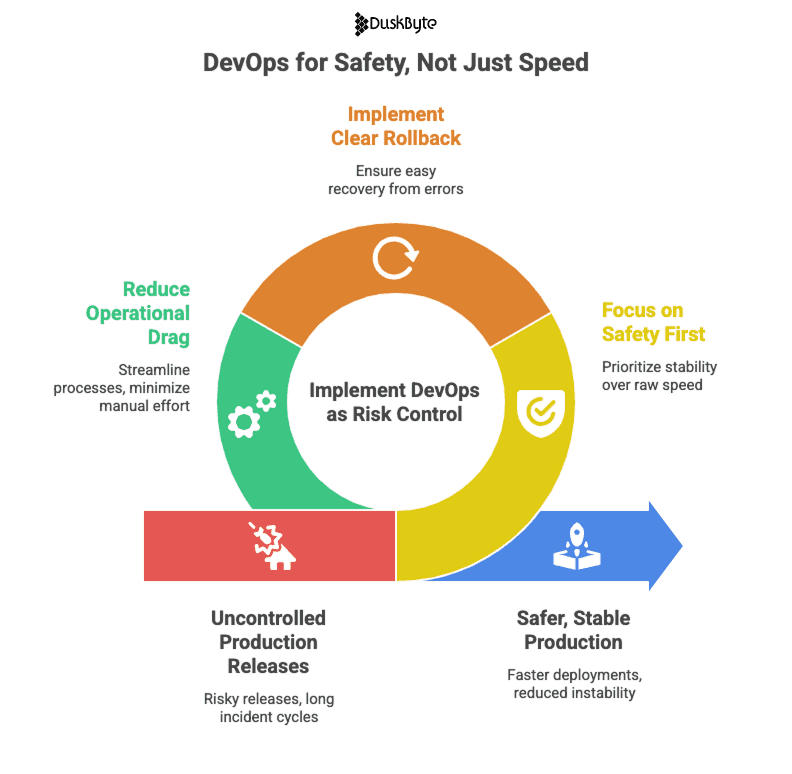
DevOps as Risk Control, Not Speed
DevOps is often framed as a speed upgrade, but in enterprise SaaS the real value is control. Safer releases, clearer rollback, and better observability reduce operational risk first, with speed following as a result.
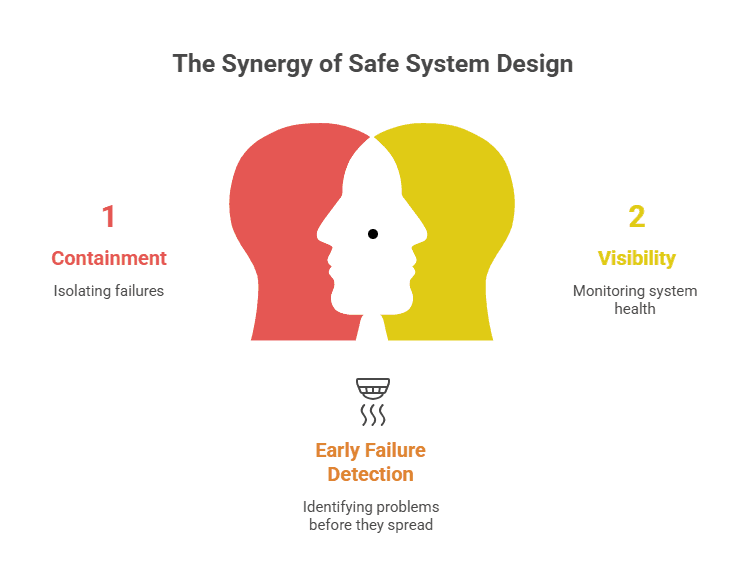
Designing Systems That Can Fail Safely
Safe systems are not the ones that never fail. They are the ones that fail in ways the business can survive. In live production environments, that means designing for containment, visibility, reversibility, and operational clarity from the start.
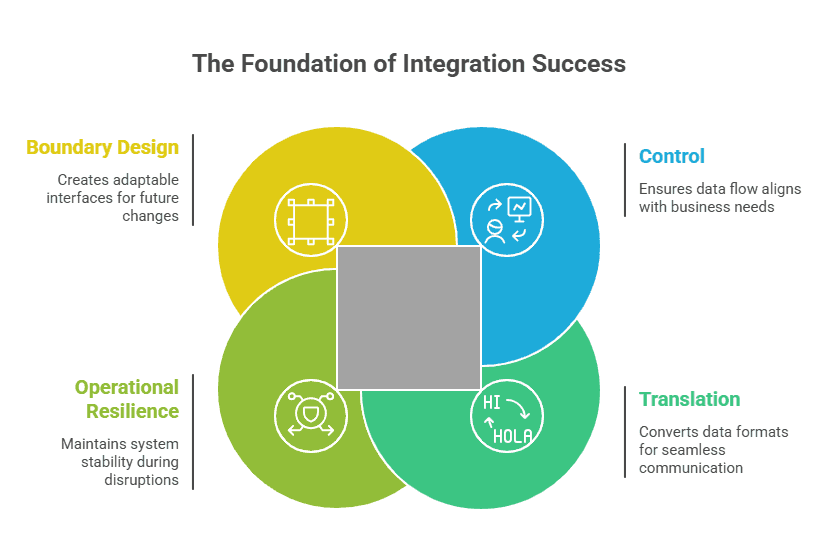
Designing Integration Boundaries That Survive Change
Integration failures rarely begin with a broken API. They usually begin with a boundary that was never designed to contain change in the first place. In live enterprise systems, durable integration architecture is less about connectivity and more about control, translation, and operational resilience.
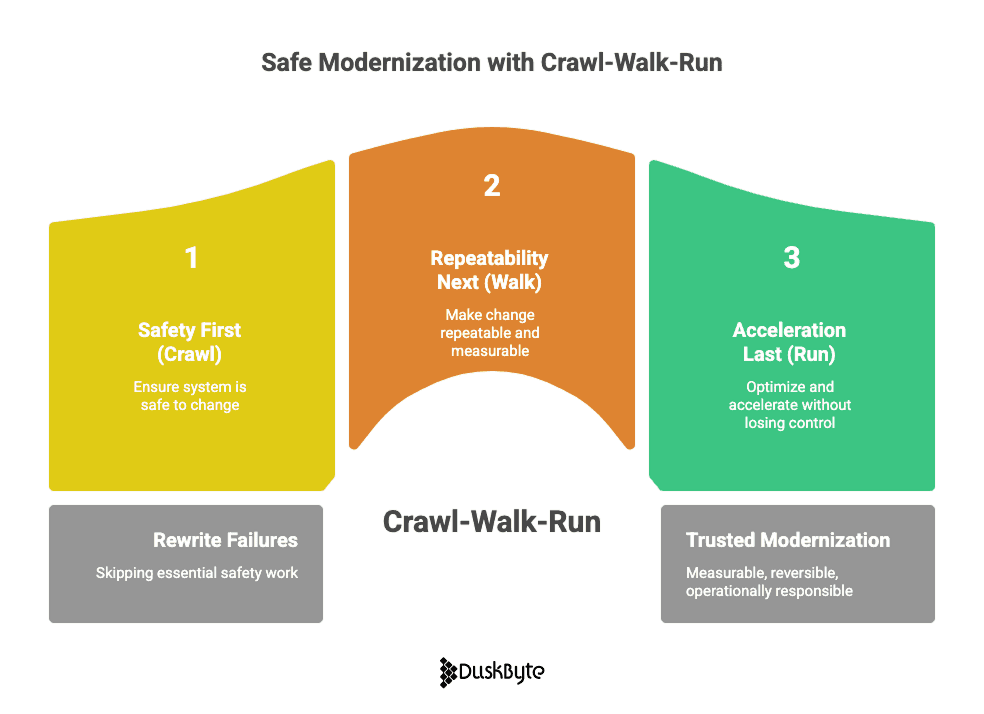
Crawl Walk Run Enterprise Modernization
In enterprise systems, modernization is not just a delivery problem. It is a sequencing problem. Crawl–walk–run gives teams a practical way to reduce unknowns, make change repeatable, and accelerate without betting uptime or trust on one large decision.
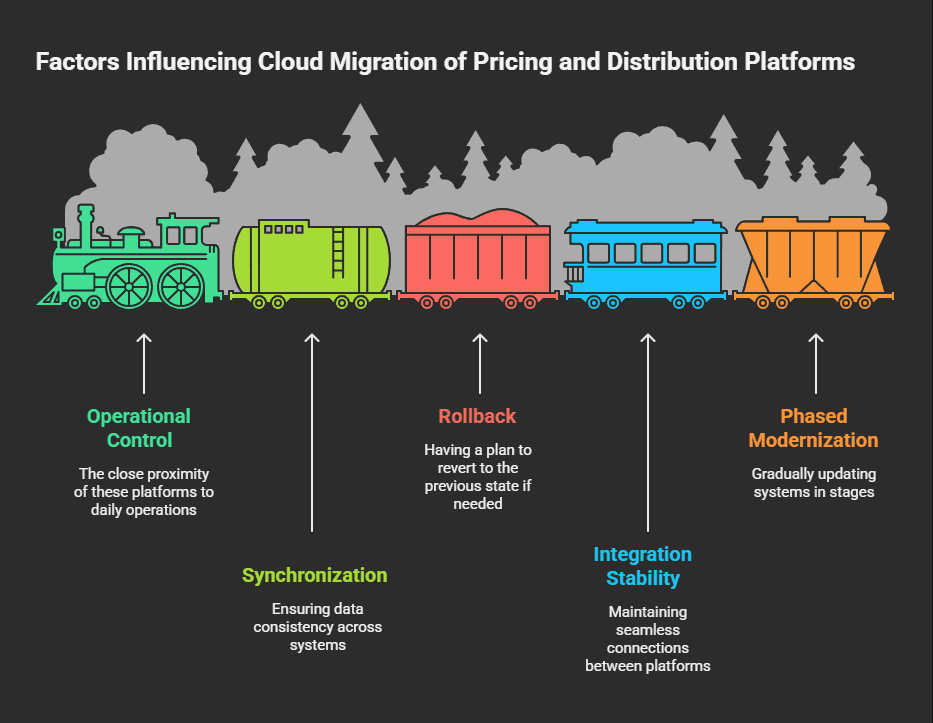
Cloud Migration Patterns for Distribution and Pricing Platforms
Pricing, catalog, and distribution platforms are difficult to migrate because they sit close to operational control. This article explains the cloud migration patterns platform leaders should evaluate before moving these systems, including synchronization, rollback, integration stability, and phased modernization.
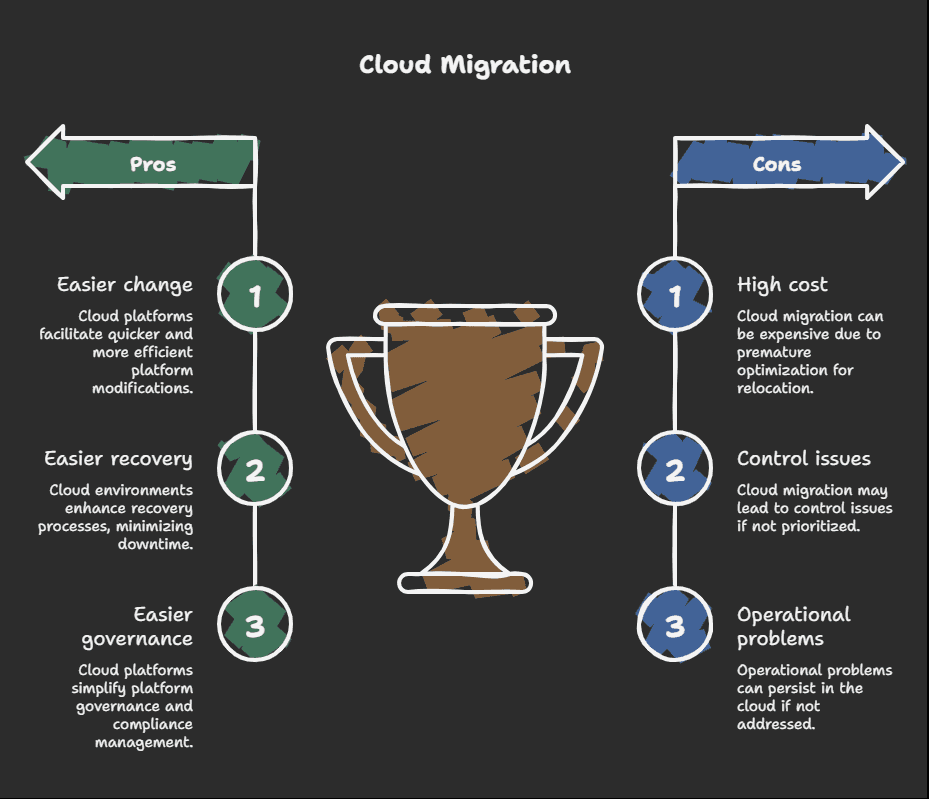
Cloud Migration Isn’t the Goal — Control Is
Many cloud migration programs become expensive because they optimize for relocation before they optimize for control. In mature platforms, the real question is not whether the workload runs in the cloud. It is whether the platform becomes easier to change, easier to recover, and easier to govern once it gets there.
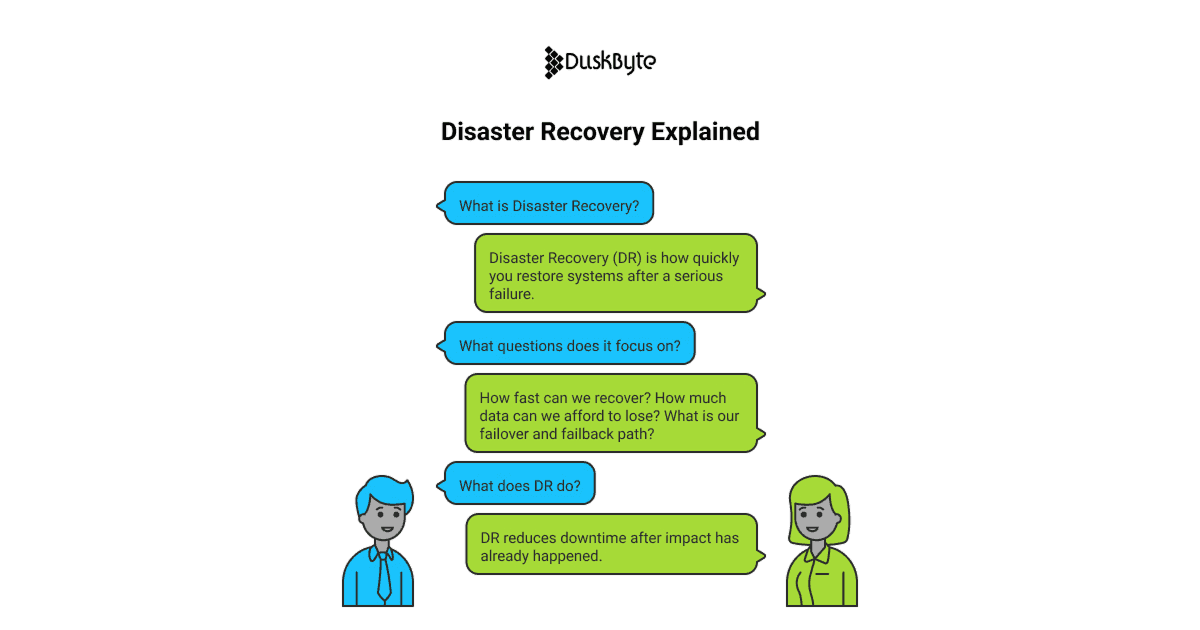
AWS UAE Region Incident: Disaster Recovery vs Disaster Avoidance
The real lesson from the AWS UAE region incident is not just that outages happen. It is that single-region confidence can create a false sense of safety, and critical workloads need a clearer strategy for resilience across regions.
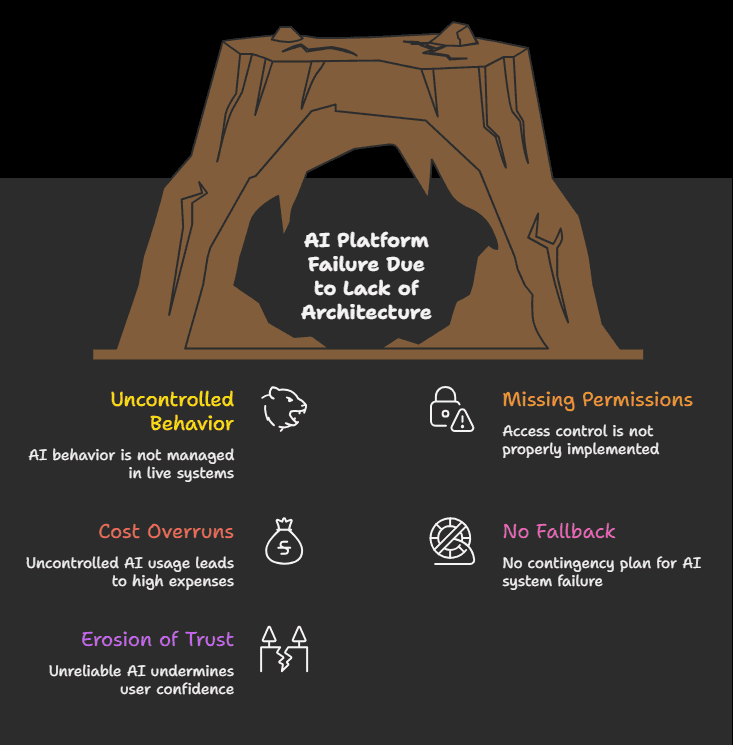
AI Without Architecture Is Just Expensive Experimentation
AI does not fail in enterprise platforms because the model is weak. It fails because teams introduce it into live systems without the architecture needed to control behavior, permissions, cost, fallback, and trust.
Have a question these didn't answer?
Book a call. You'll talk to the person who'd actually architect your project.